Champions of the Flyway!

Thursday, August 12, 2010

The Naze, Essex - 11th Aug 2010


Ringed Plover chick

It seems like a long time since the opportunity has arisen to make a break out of Mother Hackney (at least for avian / nature-related reasons), but a narrow window opened up this week and Amity and I stole away to the coast for a brief intake of sweet n' salty air.

Generously accomodated for by our good friends the Higgins clan, we arrived on the Essex coast on the afternoon of the 10th under battleship skies and torrential rain (and via a Yellow-legged Gull on the beach at Clacton-on-Sea). By the time we hit the sack in the early hours however, the skies had cleared and a magical meteor shower was raining over Walton. The following morning, sunny skies and a warm westerly encouraged us out onto the Naze for a full day's leisurely ramble around the land and coastline.


Sandwich Tern

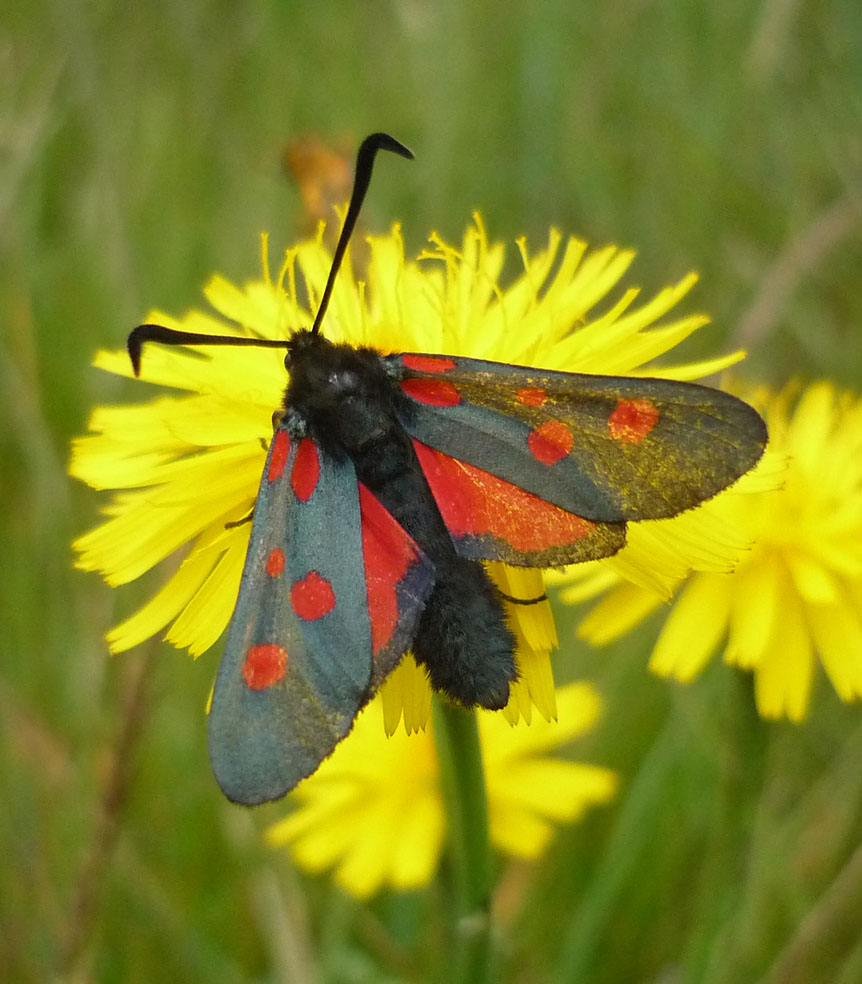
No headline-grabbing gems uncovered or the like, but a full day with a distinct spring in our step and plenty of natural goodness to soothe the soul; the Naze itself was showered with butterflies and day-flying moths, crammed with Common Whitethroats and plenty of other passerines, and looking like a dream of an observatory that never was.

Plenty of warblers besides the above, including a sprinkling of Chiffchaffs, Reed Warblers, Blackcaps and Lesser Whitethroats, and lots of sulphur-coloured Willow Warblers, largely faithful to roving flocks of Long-tailed Tits. All three hirundines were pleasingly ubiquitous, with mixed groups of local breeders and migrants twittering and performing throughout; Swifts, too, were gunning south or hanging on around their natal streets.

A Marsh Harrier - presumably a juvenile judging by its impeccable plumage - appeared over the coast in the morning, snacking in mid-air, before purposefully drifting south and well out over the sea.


Marsh Harrier

Waders were generally confined to the liberally-spread Ringed Plovers (including the family on the pools), Curlews, Oystercatchers, and several impressively summer-plumaged Turnstones; tide-timing was far from focused this time, and flocks of Golden Plovers, Little Egrets and various other species were confined to the distant saltmarsh of the backwaters.


Oystercatcher


Cuckoo - carefully stalked and then spooked by dog-walker....

However, a highlight of the day was the regular presence of Whimbrels, both overhead and, most impressively, on the saltmarsh bordering the channel. Despite being disturbed by pleasure boats and the like, they remained, behind gulls and wagtails, the most tame and tolerant species.


Whimbrel


By happy coincidence, our dear friends and legendary Essex torch-bearers Simon and Pat had the JW reserve festooned with mist-nets, and with no Hippolais or Lanius to distract, an entertaining couple of hours was passed at the tip of Naze in their company.

After walking much of the coast we wound up on the pier, and after negotiating the wonderfully trashy 'entertainments' we found ourselves with just a handful of Deliverance extras disguised as anglers for company; that is, apart from four brave gulls - three of which were, happily, Mediterranean.


Mediterranean Gulls

Saturday, July 17, 2010

Dungeness, Kent - 17th July 2010


White-tailed Lapwing

It's mid-summer, and despite crack of dawn visits to the local patch (Stoke Newington Reservoirs) in the hope of a stray wader of any kind on the temporarily exposed banks of the west reservoir, there's been sweet f.a. in the shape of reward - unless one counts the increasingly improbable list of "if you don't stare too long, you could easily pass me off as a Scaup sp." Aythya hybrids of late, and a Mediterranean-free procession of Black-headed Gulls drifting through.

So, a day off with nothing to do and a hangover to shake, and with Laurence in a similar position, Dungeness beckoned. Why? Well, because there's birds there, and plenty of them; it's a place I'm increasingly fond of (and Laurence has been intimate with over many years); it's within striking distance of our urban hole in the motor; Purple Herons are breeding on Denge Marsh; and last but hardly least, a certain Asian Lapwing has been in residence there for several days.


Which, in truth, was the main reason for heading south-east along the M20 today; a filthy twitch. Being a self-righteous, pure-as-the-driven patch worker, such pursuits feel a little like being caught on the wrong kind of website; in this case, Asian porn (the breezy english seaside must be quite a change from Iranian deltas). Excluding the odd quality bird within a mile or two of the flat, I can probably count such vaguely embarrasing occasions over the last ten years on one sweaty hand.


But this particular bird inspired a little more enthusiasm for some reason; in various proportions to do with its extreme rarity in the UK, its gangly, exotic characteristics, and the fact that it had already beaten us once before. Assuming the same bird is involved in all the recent sightings in NW Europe, its visits to Lancashire, the Netherlands, Rainham, Slimbridge and now Dungeness were all over several days at each location - with the notable exception of Rainham.

Ten days ago, this freakishly-proportioned Vanellus appeared there, work preventing the option of heading out to metropolitan Essex to visit it; but the following morning, we hoped to, and dutifully rocked up at the reserve car park for 0630 - Fail. It then resurfaced at Slimbridge - a comfortably unjustifiable distance away - allowing me to go back to the more serious business of counting the increasing numbers of Coots and Tufted Ducks at the reservoirs.


But then - Dunge; and there it seemed to have settled, for a few days at least. And with other potential attractions (Purple Herons, Great White Egret, passage waders), the balance was tipped. But this particular lost soul hadn't finished punishing us just yet. It took us five hours, barely crawling along the accident-strewn M20, to reach the ARC, and I'd secretly prepared for a glib, socially-inadequate lister to announce its recent exit as we stumbled out of the car.

Not so. With a mercifully small humanoid assembly present ("it showed so much better yesterday", "I ticked the one at Grimsby in 1762" etc., yawn), there it was, wandering around on a shingle spit with a Garganey and an Oystercatcher for company; beautiful.


With a strong westerly blowing, we made our way over to Denge Marsh, where the Purple Herons are doing their pioneering colonisation thing (but being suitably secretive with such a responsibility). An hour or so here, birding from the car, easily justified the jaunt in itself; a distinctly continental vista over the marsh, with Yellow Wagtails buzzing by, a procession of Med Gulls, Hobby hunting, Marsh Harriers everywhere, Sand Martins gunning west in their hundreds, and two more star birds - a Great White Egret putting in several appearances, and, right on cue, a particularly impressive Purple Heron drifting into the nest site, glinting in the golden evening sunshine. No pain, no gain, and a reminder that a little gratuitous porn isn't always a bad thing.
Thursday, July 15, 2010

Hampstead Heath, 5th July 2010

the heatwave continues across London's scorched earth and concrete; when trapped in the capital, where better to enjoy it than in expanses of deciduous woodland, wild grassland and more within the central north of the city.


juvenile Long-tailed Tit, Chiffchaff, one of a family of ultra-tame Kestrels, Great Crested Grebes and two snoozing migrant Common Sandpipers