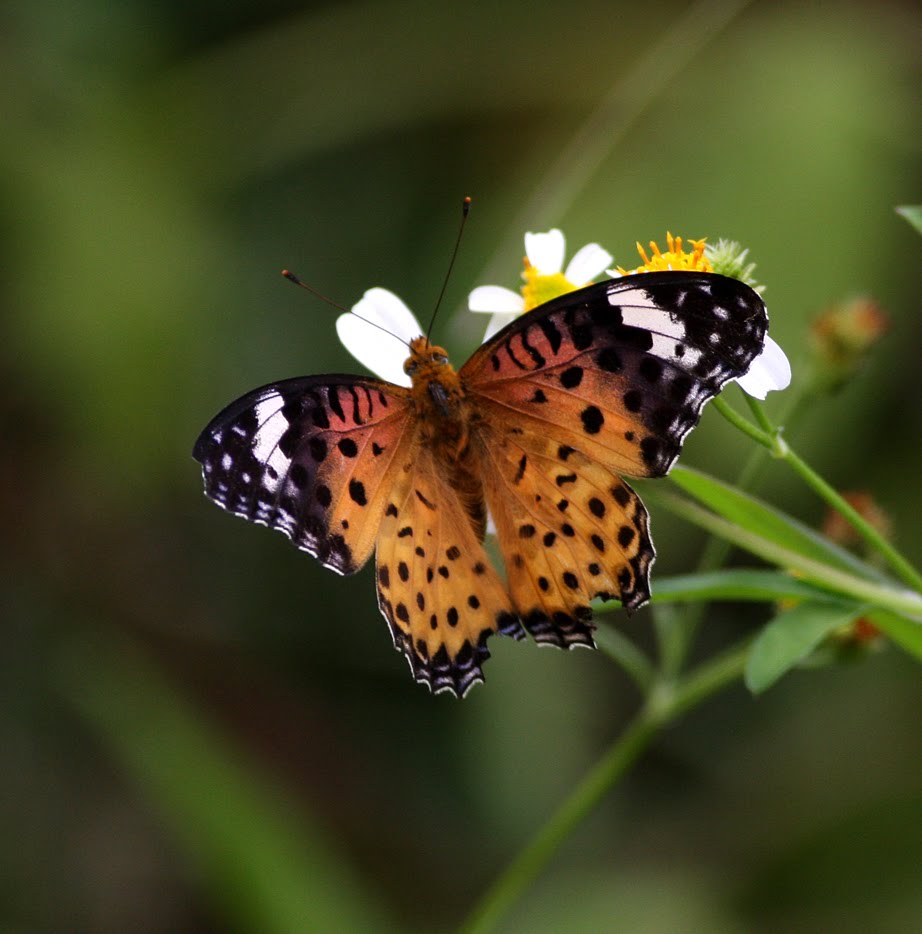
Champions of the Flyway!

Sunday, October 9, 2011

Dasyueshan National Forest, Taiwan - Sep 2011 (part 2)


A few hours later, and the maelstrom of after hours Taichung was replaced by sunrise over the otherworldly, wonderfully lush subtropical montane forest of Dasyueshan.


Formosan Macaques - shy endemic monkeys of the forests

Bruce (his chosen english monicker, inspired by a certain Mr. Lee), on location to film sequences for an upcoming documentary about Taiwanese endemic Pheasants, picked us up at 4 a.m. outside our hotel, and after a drive through darkness, sprawling suburbs and then a winding ascent into the hills, we reached our first stop, just as dawn was about break.


Vivid Niltava

We were seeking a certain bird, at a certain spot - which justifies its own post a little later - suffice to say we were spoiled by a stellar performance; from there on, the day consisted of multiple stops along the long and winding road, hair-pinning and switch-backing through unspoilt montane forest, subtly changing in habitat-type as we ascended throughout the day.


Grey-cheeked Fulvettas - common components of multi-species flocks


Green-backed Tit

Which was the best way to enjoy the mountains and its birds; at this time of year (i.e. post-breeding season, and with territorial tendencies having broken down), the forest hosted the classic bird-waves, whereby multi-species flocks roam vast expanses of habitat together.


Rufous-faced Warbler


Japanese Paradise Flycatcher - a bonus scarce migrant which zipped through in a bird-wave

This can, and usually does, mean long periods of zero activity, followed by a frenetic avian whirlwind that may only last a minute or two as the flock moves relentlessly on through every level of the forest. And when it happens, it's a case of taking as much in as possible and making the most of a precious opportunity.


Steere's Liocichla - common and musical endemics of higher elevation forest

While Mark had provided info for certain spots, and Bruce assisted enthusiastically (though he's more of an all-rounder than a birder per se), it was - in the best possible way - a baptism of fire, as most of the species within the waves were unfamiliar, and some were endemics which were unlikely to give up a second chance...


But for the best part of two full days, this is how we rolled, and with great success.


migrating Chinese Sparrowhawks - part of a flock of about forty


Kiwi fruits, hand-picked and eaten deep in the forest

(Part three to follow)

Wednesday, October 5, 2011

Dasyueshan National Forest, Taiwan - Sep 2011 (pt 1)


After a fine few days based in Taipei (to where we'd return before long), we headed a few hours south along the main rail link to the bustling city of Taichung, our temporary base for what transpired to be a very special part of our trip.


Black-throated Tit - tiny, characterful and very social birds of the upland forest

After checking into the Good Ground Hotel (the arguably even seedier sister-ship to the Good Life, our Taipei choice), we searched all of one minute on the streets outside for a typically delicious, ridiculously cheap vegetarian street cafe, and hit the sack early in anticipation of the following days.


Coal Tit, of the endemic and oddly crested subspecies

But not before a visit from Bruce, our companion for the next few days, who kindly dropped by to discuss routes, logistics and wish-lists for the high forests. The trail of events that led us to hooking up with him, and as a result to some of the best birds and habitats of the trip, goes something like this:


Ferruginous Flycatcher

Way back in the late winter when we were sketching out our round-the-world route and I was flicking through the recently-published The Birds of East Asia (Brazil), it became increasingly important to include Taiwan on the itinerary:


Taiwan Yuhina - a gregarious, fast-moving endemic of mid and high-elevation forest

Firstly because it hosts a mouth-watering array of endemics (about 24*, not including the dozens of endemic subspecies), and secondly, because it would be effectively on our way between Tokyo and Bangkok. It was hard to imagine a more opportune time to drop by and, although somewhat of an unknown quantity, we penned two weeks there into our schedule.


Taiwan Barwing - a clumsy but unobtrusive endemic

Fast forward to Japan, and as with much of the preceding four months, our best intentions of clinical planning for the next country / continent fell by the wayside in favour of, well, enjoying wherever we happened to be. However, some late-in-the-day research provided leads which, if everything worked out, could well see us enjoying the specialities of the central Taiwanese high forests.


Green-backed Tit (of the endemic subspecies)

Thanks to wildlife documentary producer, Taiwan resident and forest-birder extraordinaire Mark Wilkie, that is. Birding Pal (a fantastic online resource for travelling birders, see here) yielded Mark's contact details, and a flurry of emails later he'd scheduled us to travel with and hooked us up with his colleague Bruce, ace Taiwanese wildlife cameraman, award-winning nature documentary director, and one of the loveliest people one could ever meet.


the endemic Taiwan Sibia - common in the forests


(Part two to follow)

*There is some disagreement as to exactly how many Taiwanese endemics there are, and new research comes to light regularly; for these purposes I chose to follow Brazil (2009) with amendments where new information is published. The prevailing academic wind favours an increase in that total, with various subspecies as candidates for 'upgrade' before long.

Tuesday, October 4, 2011

The hills above Taipei - September 2011


Taiwan Blue Magpie (an island endemic)

As well as for various diurnal and nocturnal urban exploits, we used Taipei as a base for several trips up into the hills, it being situated in easy striking distance of several national parks; two of these - Yangmingshan and Wulai - provided memorable day trips, with beautiful landscapes, some good birding, plenty of other wildlife, and of course lots of jovial and entertaining locals.


Taiwan Scimitar Babbler (also endemic)


Crested Serpent Eagle (endemic ssp. hoya, perhaps a full sp. acc. to Brazil)

Yangmingshan was pleasantly cool once up into the clouds shrouding the highest peaks, and although very quiet on the avian front, still provided a little quality - a small bird wave included the second endemic of the trip in the form of a very sharp Taiwan Scimitar Babbler, and first Rufous-capped Babblers and Grey-cheeked Fulvettas of the trip (both of endemic subspecies).


Grey Treepie


At least three Crested Serpent Eagles of the endemic (sub)species were an obvious and noisy presence overhead, Striated Swallows buzzed the treetops, and the dragonflies and butterflies were captivating (but barely a shadow of what would follow in the forests).


Pacific Swallows (a likely split, becoming Small House Swallow)

Wulai meanwhile was reached via another very picturesque and entertaining bus ride up into the hills, this time to a small settlement catering for visitors utilising the hot springs; occupying a deep, forested gorge where two rivers join, almost hidden behind guest houses and gift shops, the village included an aboriginal cafe frequented by locals only, which served us some of the finest locally grown and prepared vegetarian food known to humankind.


Otherwise, treks up the winding tracks away from the minor bustle and into peaceful wooded countryside revealed, amongst other things: an overgrown, beautifully ornate cemetery, complete with decaying crypts set into the hillside and a selection of butterflies to die for (as it were); a sprinkling of birds including the first Bronzed Drongo and White-tailed Robin (both endemic ssp.), Grey-chinned Minivets, Pacific Swallows (or perhaps Small House Swallows before long), and last but not least, a pair of Taiwan Blue Magpies - found by Amity, and as it transpired, the only ones seen on the trip.


Much of the entertainment at Wulai was winged but not avian, as a few of these photos show (with the exception of the spider, which is huge, and very numerous...). Two fine days in Taipei county, high above the city and well worth the effort.


Monday, October 3, 2011

Da'an Forest Park, Taipei - Sep 2011


Japanese White-eye (sticking its tongue out while swallowing a berry)


Little Egret

In truth, somewhat less interesting than the name suggests - it's a small urban park with a half-decent lake and an outstanding home-made ice-cream stall - but it offered an opportunity to photograph a few of the common species, and also to add White-shouldered Starling to the life & trip list (with a self-sustaining feral population here).


juvenile Black-crowned Night Heron


Chinese Bulbul


Spotted Dove


Oriental Turtle Dove


OTD with Tree Sparrow buddy


(Oriental) Magpie - either a subspecies or full species, depending on who you want to believe

Saturday, October 1, 2011

Taipei Botanical Gardens, Taiwan (pt 2)


Mostly ornamental, pleasantly shady in the intense urban heat, and incorporating small ponds, flower gardens, a museum and a cast of locals from visiting schoolkids to exercising elders, the Botanical Gardens still managed to host a variety of species, from ground level to canopy.


Amongst others, Himalayan Black Bulbuls and Taiwan Barbets used the mid to upper levels, while others were seemingly well adapted to sharing the limited space available with plenty of humans. Of these, White-breasted Waterhens and Black-crowned Night Herons (above) were far more tolerant than their more rural counterparts, but the show-stealers were Malay Night Herons (below) - one of several lifers, and in the unexpected circumstances of wandering around within inches of the paths while deftly picking off small prey from the ground.


Adjusting to common species is often a steep and fast learning curve in a new country, and here in urban Taipei, these included Eurasian Tree Sparrows (as in Japan, inescapable and in plague-like proportions), Japanese White-eyes (any tree or bush will do), Chinese Bulbuls, Grey Treepies, House Swifts, and Oriental Turtle Doves and Spotted Doves (the latter two challenging Feral Pigeons for street ubiquity).


Grey Treepie

Just the kind of avian introduction required, and with two weeks on the island, a mere sliver of what was to come.